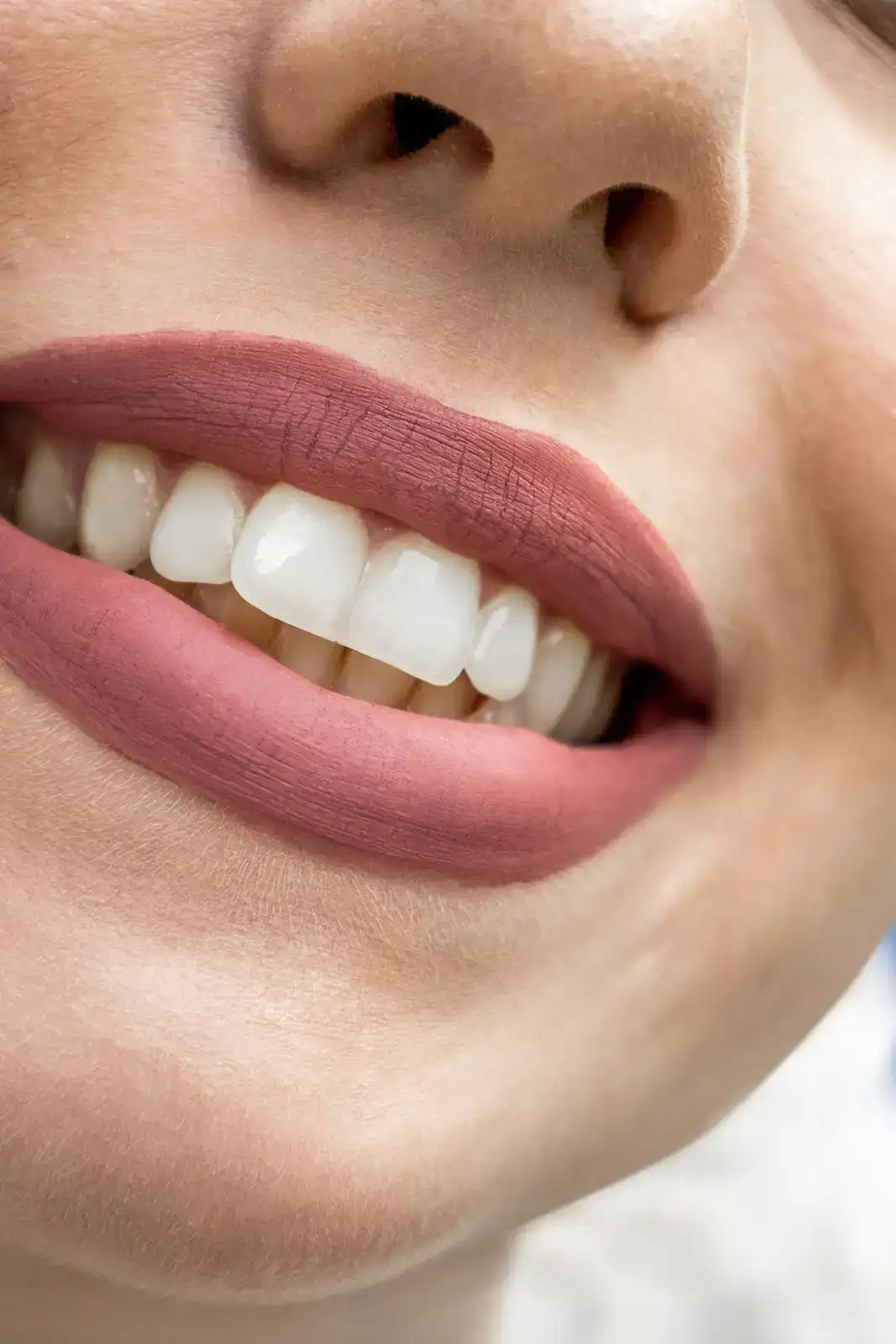
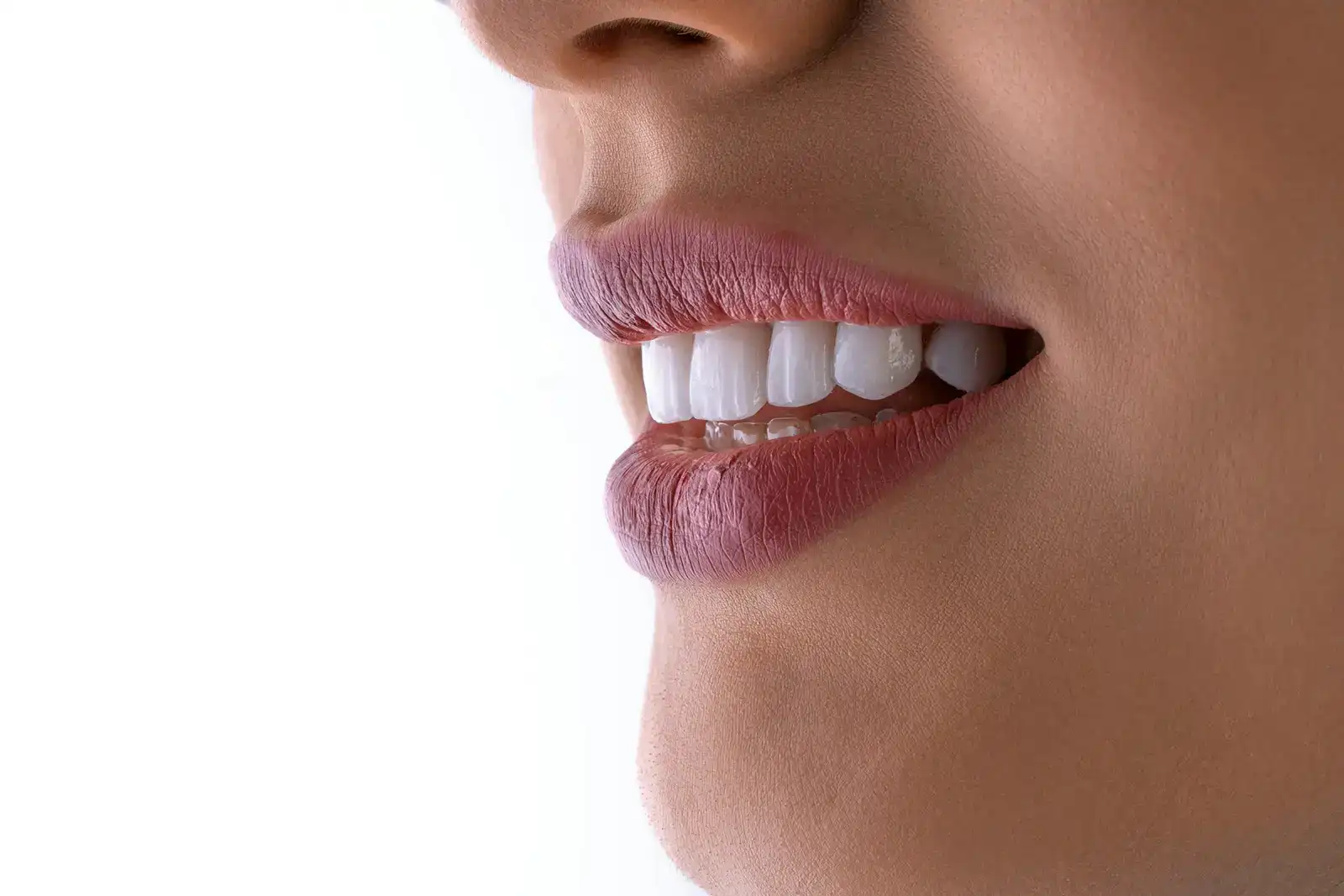
The honest answer is that nobody can tell you, and a clinic that gives you a definite number is quoting an average rather than reading your mouth.
What can be described accurately is what makes the difference, because almost all of it is within your control and most of it happens in the two days after your appointment.
Why there is no single number
Three people leave the same appointment with the same result and are in visibly different places six months later.
The variables are not mysterious:
- How often you drink coffee or tea, and whether it is one cup or five
- Whether you smoke or vape, which is the heaviest and most continuous staining input there is
- Red wine, cola and dark sauces, and how regularly
- Oral hygiene, particularly how thoroughly and how consistently you brush
- The shade your teeth started at, which sets the reference point for how visible any change back is
- Your age, because enamel thins over time regardless of anything else
- The first 48 hours, which carry more weight than any other two-day period
Diet and habits do the bulk of the work. That is stated on the service page as well, and it is the piece Kirsty raises at the appointment rather than afterwards.
Any number a clinic quotes you is describing other people’s mouths.
The first 48 hours
Teeth are more receptive to picking up colour immediately after whitening than they are later. Which means the window right after your appointment is not the time to test how the result holds up against a curry.
Your aftercare pack comes with instructions specific to the appointment you actually had, and those instructions are the ones to follow rather than a general list from the internet. The principle behind them is simple enough: if it would stain a white shirt, it will find newly whitened teeth.
Common things worth planning around in that window include coffee, tea, red wine, cola, curry, tomato-based sauces, soy sauce, beetroot, berries and smoking.
The practical version of this is to book the appointment when the two days afterwards are yours to manage. Booking whitening the morning before a long lunch is a plan working against itself.
What causes it to fade
After that initial window, fading is cumulative rather than dramatic. It happens slowly enough that most people do not notice until they see an old photo.
Coffee and tea. Not because they are the worst stainers, but because of frequency. Five coffees a day is five exposures a day.
Red wine. Both the pigment and the acidity contribute.
Smoking and vaping. The heaviest continuous input on the list, and the one that will undo a result fastest.
Dark sauces and foods. Curry, soy, tomato-based sauces, balsamic, beetroot, berries.
Inconsistent brushing. Not glamorous, and it makes a real difference to how long a result holds.
There is also the process that has nothing to do with staining at all. Enamel thins with age and the dentine underneath naturally darkens. That change continues regardless of what you eat or how well you clean, and it is why long-term shade is a moving target rather than a fixed one.
Practical maintenance that actually works
Not a list of things to give up. A list of things that reduce contact time.
- Use a straw for iced coffee, cola and anything else that suits one. It keeps most of the liquid off the front teeth.
- Rinse with water after coffee, wine or anything dark. Ten seconds, and it clears a lot.
- Do not brush immediately after anything acidic. Wait a while, because enamel is softer straight after acid exposure.
- Cluster rather than graze. One coffee sitting is less staining exposure than the same amount sipped across four hours.
- Keep brushing consistent. Twice daily, and floss, because stains settle between teeth first and that is where they are most visible.
- Ask before buying a whitening toothpaste. Most work by removing surface stains rather than changing enamel shade, and some are abrasive enough to be worth discussing first.
Top-ups, and the window that matters
A top-up appointment booked within 1 to 6 weeks of your initial treatment is available at a reduced rate.
Worth knowing at your first appointment rather than discovering later, because it changes how you might plan. Some people prefer a shorter first appointment followed by a top-up inside that window over a single longer session. That is a reasonable conversation to have at the consultation, since whitening is charged at $100 per 30 minutes and the appointment lengths differ by the number of timed cycles completed rather than by the product used.
Beyond that window, when to return is a judgement based on how your teeth actually look rather than on a schedule. There is no clinical requirement to whiten on a cycle, and there is no benefit to booking one because a calendar says so.
The realistic expectation
Whitening changes the shade of natural enamel. It does not change the colour of crowns, veneers, bonding or fillings, which stay exactly as they were made. If you have visible dental work at the front, the walkthrough of the appointment covers what that means for the overall result.
And it is a cosmetic procedure carried out by a Registered Nurse rather than dental care. It does not address decay, gum disease or anything structural, and it is not a substitute for a check-up.
The reason for stating that on a maintenance page is straightforward: teeth that are not being looked after by a dentist are not going to hold a cosmetic result well either.
About this clinic
Enrich Aesthetics is a single-practitioner, nurse-led clinic at 22 French Rd, Wangi Wangi, on the western side of Lake Macquarie.
Kirsty Neagle is a Registered Nurse (Division 1) holding general registration with the Nursing and Midwifery Board of Australia, first registered in 2001. AHPRA registration NMW0001646562, verifiable on the public AHPRA register.
Appointments run 9am to 5pm Monday to Saturday, closing at 3pm on Thursdays. Clients travel in from Toronto, Rathmines, Carey Bay, Morisset, Warners Bay, Belmont and across Newcastle.
The short version
No fixed timeframe, because it depends on you. Protect the first 48 hours properly, reduce contact time rather than trying to give things up entirely, keep brushing consistent, and use the reduced-rate top-up window inside 1 to 6 weeks if you want to build on the first appointment.
And remember the part that has nothing to do with staining: teeth darken with age regardless, so the reference point moves whatever you do.
This guide is general education. It is not medical or dental advice, and it does not replace an in-person consultation.