Most people arrive at a consultation having already picked a side. They have read about one category, decided it sounds like the sensible one, and want to know whether they can have it.
That is a reasonable way to prepare and a poor way to decide, because the two categories are not competing versions of the same treatment. They answer different questions. Choosing between them before anyone has looked at your face is choosing an answer before knowing the question.
This guide is about how that decision is actually made. The mechanics of the bio-stimulator category are covered separately in the explainer on what a bio-stimulator is, and this page assumes you have either read it or do not need it.
The distinction in one line each
A volumising treatment addresses structure at the time it is placed. The material is the result.
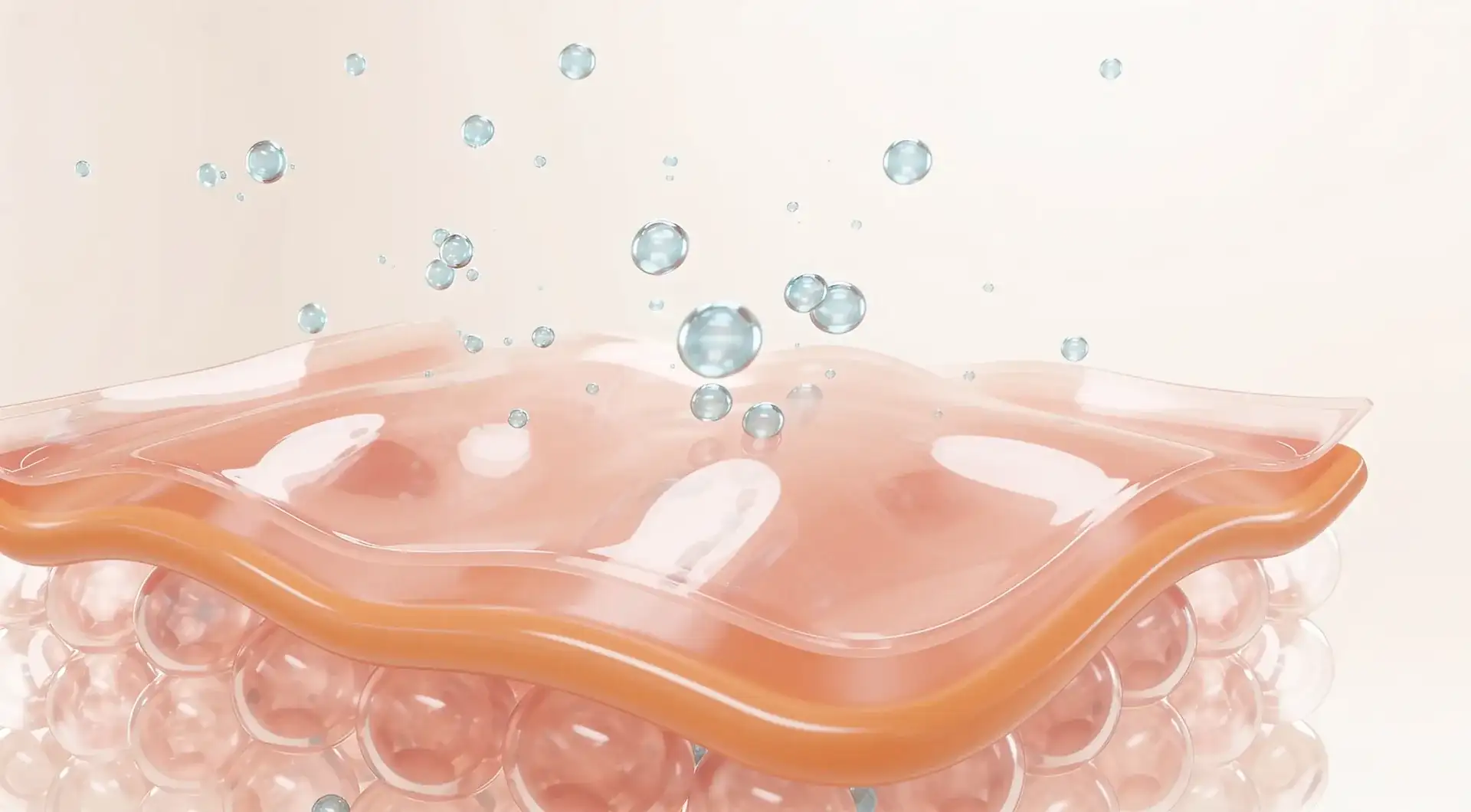
A bio-stimulator works by prompting your own tissue to respond over a period of months. The material is the prompt, and your response is the result.
Everything below follows from that difference.
The decision starts with the concern, not the category
At Enrich Aesthetics the assessment does not begin with what you would like to have done. It begins with what has actually changed.
That means establishing whether what you are seeing is:
- Structural. A change in facial contour, proportion or fullness, most often through the cheeks, temples, chin or jawline
- Skin quality. Texture, laxity, thinning, tone
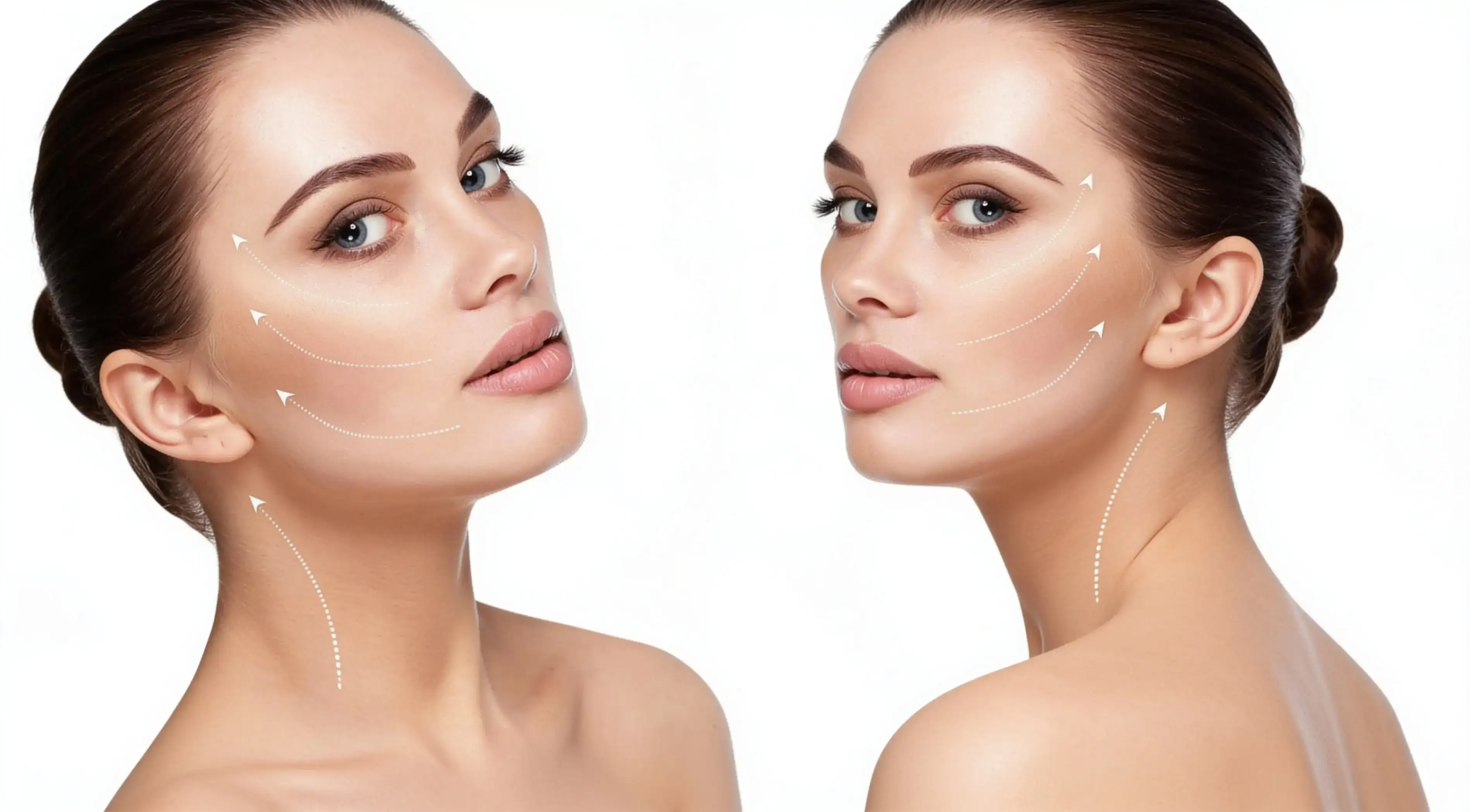
- Tissue position. Where things sit rather than how much of them there is
- A combination, which is the most common answer of the three
That last point does more work than people expect. Facial ageing involves bone, fat compartments and skin elasticity at once, so a concern rarely arrives from a single source. The guide on why facial volume changes goes through the biology, and the guide on cheek and jawline volume loss covers what the assessment records.
A treatment aimed at the wrong component of the problem is not a mild version of the right one. It is a treatment aimed at something else.
Where each category tends to fit
Stated as general reasoning rather than as a rule to apply to yourself.
If the concern is a structural change and the aim is to address contour or proportion, a treatment working slowly on skin quality is unlikely to answer it on its own, however long you wait.
If the concern is skin quality — texture, thinning, general condition — adding structure does not address it. Something aimed at the tissue’s own behaviour is the more relevant category.
If the concern is both, which it often is, sequencing becomes the question rather than selection. Which one first, and why, is a clinical judgement about your face rather than a standard order of operations.
Timing decides more of these than people expect
This is the practical factor most often left out of the comparison.
A bio-stimulator relies on a response that develops over time. Initial changes from PDO threads are typically noticeable from around 6 weeks, with continued change reported for up to 6 months. That timeline is the mechanism, not a delay in it.
So if you are working towards a date, the category question partly answers itself. Not because one is better, but because a treatment built on a six-month response is not aimed at a six-week horizon.
Say the date out loud at consultation. It changes the recommendation, and it is better said at the start than discovered in the last week.
What the assessment actually covers
For a concern that could fall into either category, the consultation covers:
- What has changed, over what period, and whether it is structural, skin quality, tissue position or a mixture
- Facial proportion and how the mid face and lower face relate to each other
- Skin quality and elasticity across the areas being discussed
- Your medical history, current medications, allergies and previous cosmetic treatments
- Whether the expectations you have arrived with match what either category can do
- The alternatives, including approaches outside both categories and including doing nothing
- The total cost of whatever is proposed, before anything is booked
Bruising and swelling at the treatment site are common and temporary with any injection or thread-based treatment. Risks, limitations and alternatives are covered as part of the consent process.
Why one of these categories is priced here and the other is not
If you have compared clinic pages, you will have noticed the pattern: bio-stimulator pages full of detail and figures, volumising pages that talk about consultations and nothing else.
That is classification, not evasion. Polydioxanone threads are a Class III medical device and may be named, described and priced. Options in the volumising category are prescription-only medicines, and Australian law prohibits advertising prescription medicines to the public — which covers the product name, the description and the cost.
So: PDO threads start from $500, quoted after an in-person assessment. Rejuran, a polynucleotide, is $700 for the classic treatment and $550 for the eye treatment. For volumising options, cost is discussed in person once an assessment has established what, if anything, is appropriate. The volumising treatments page explains that restriction in full.
The practical consequence is worth carrying: a page dense with product names is telling you about a regulatory category, not about a clinic’s quality.
When the answer is neither
A consultation can reasonably end with the conclusion that no treatment in either category is appropriate right now.
That might be because the concern is better addressed another way, because the timing is wrong, because something needs attention first, or because what is being asked for does not match what these treatments do. If that is the finding, it gets said along with the reasons, and a different approach or a referral may be recommended instead.
Nothing at this clinic is booked or priced over the phone or by email, and a consultation does not commit you to anything.
About this clinic
Enrich Aesthetics is a single-practitioner, nurse-led clinic at 22 French Rd, Wangi Wangi, on the western side of Lake Macquarie, and clients travel in from across Newcastle. The nurse who assesses you is the nurse who treats you, every visit.
Kirsty Neagle is a Registered Nurse (Division 1) holding general registration with the Nursing and Midwifery Board of Australia, AHPRA registration NMW0001646562, verifiable on the public AHPRA register. Her background includes cardiac, vascular and plastics nursing at a Sydney teaching hospital.
Enrich Aesthetics is advertised under AHPRA’s guidelines for advertising higher risk non-surgical cosmetic procedures, in effect since 2 September 2025.
Appointments run 9am to 5pm Monday to Saturday, closing at 3pm on Thursdays. The clinic is appointment-only.
The short version
One category changes structure when it is placed. The other prompts your own tissue to respond over months. They are aimed at different things.
The concern decides, not the catalogue. Timing frequently decides more than either. And the honest answer at a fair number of consultations is a combination, a different approach entirely, or not yet.
Bring the concern and the deadline. Leave the category to the assessment.
This guide is general education. It is not medical advice, and it does not replace an in-person consultation.