Ask people around the lake why they have booked a skin consultation and a great many of them describe the same thing without using the same words. Uneven tone across the cheeks. Texture that has changed. Patches that were not there a decade ago.
Underneath most of those descriptions is the same history, and it is not a dramatic one. It is thirty years of ordinary outdoor life in a place organised around water.
This guide covers what a chemical peel is actually directed at when sun exposure is the background, what it does not do, and the one thing that has to be checked before any of it.
The dose is higher here than people count
Nobody around Lake Macquarie thinks of themselves as a sunbather. That is not how the exposure accumulates.
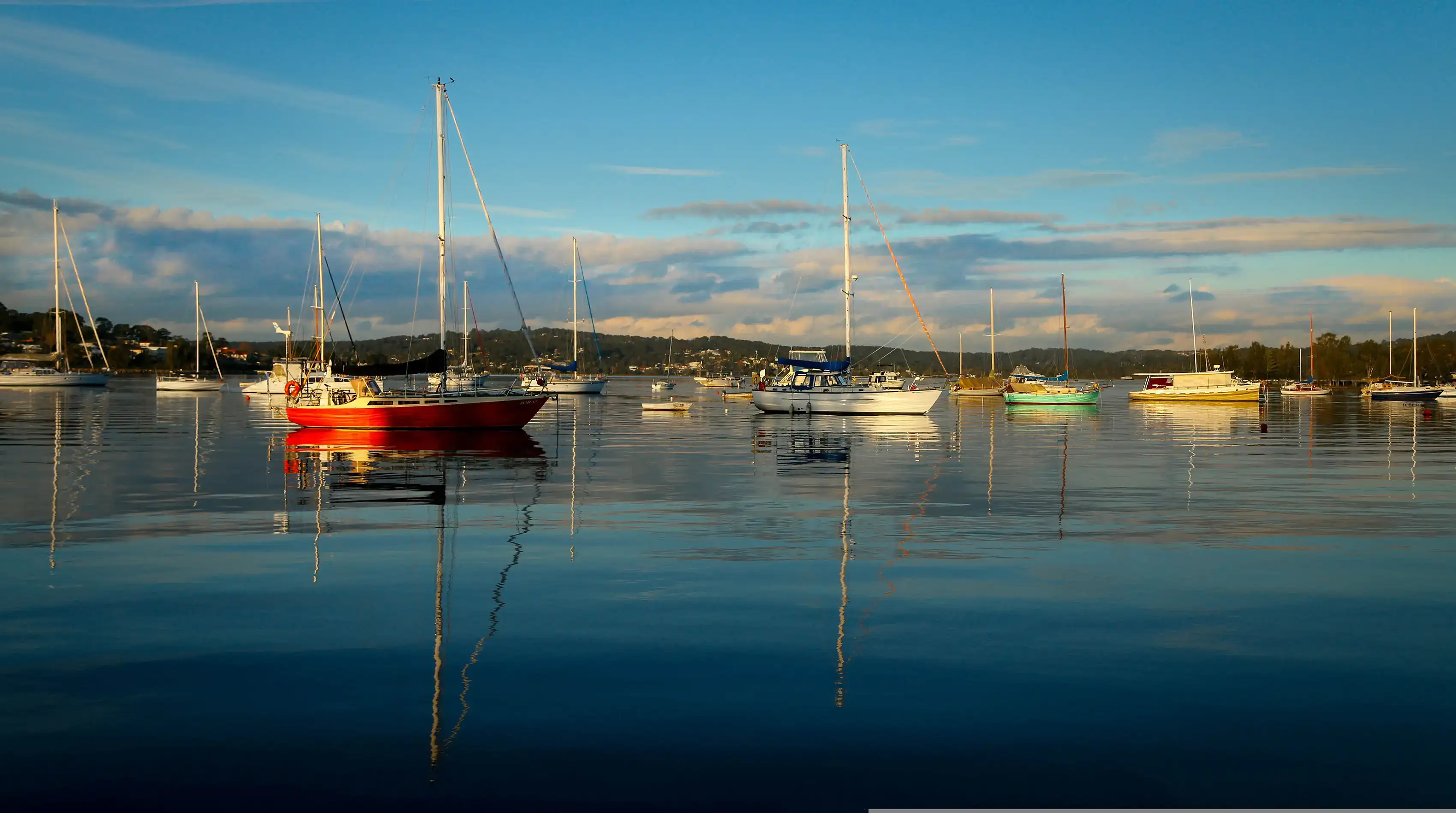
Ultraviolet light reflects off water. Time on a boat, on the shore at Rathmines, fishing, swimming or walking the foreshore delivers exposure from above and from the surface at the same time. Add the drive with an arm at the window, the sideline at weekend sport, the garden, the walk to the shops.
None of that registers as sun exposure. All of it counts. And it accumulates over decades rather than over a summer, which is why the skin that presents at forty-five reflects a history that started long before anyone was paying attention.
The visible change is not usually the result of one bad summer. It is the sum of a great many unremarkable ones.
There is a companion guide on how that same exposure shows up as fine lines and wrinkles around the lake, which covers the movement side of the same story.
Before anything cosmetic: the thing that comes first
This section is short and it is the most important one on the page.
If you have a spot that is new, changing, growing, bleeding, itching, crusting or simply looks unlike everything else on you, that is a matter for your GP or a skin cancer clinic. Not for a cosmetic appointment, and not for a peel.
A cosmetic clinic does not diagnose skin lesions. Kirsty will tell you plainly if something needs looking at medically and will ask you to have that sorted before proceeding, rather than treating around it. That is not caution for its own sake. Putting an acid over something undiagnosed is how a problem gets obscured rather than found.
Australia has the sun exposure it has. Regular skin checks are ordinary maintenance here, and they belong to a doctor.
What a peel is actually directed at
With that established, here is the honest scope.
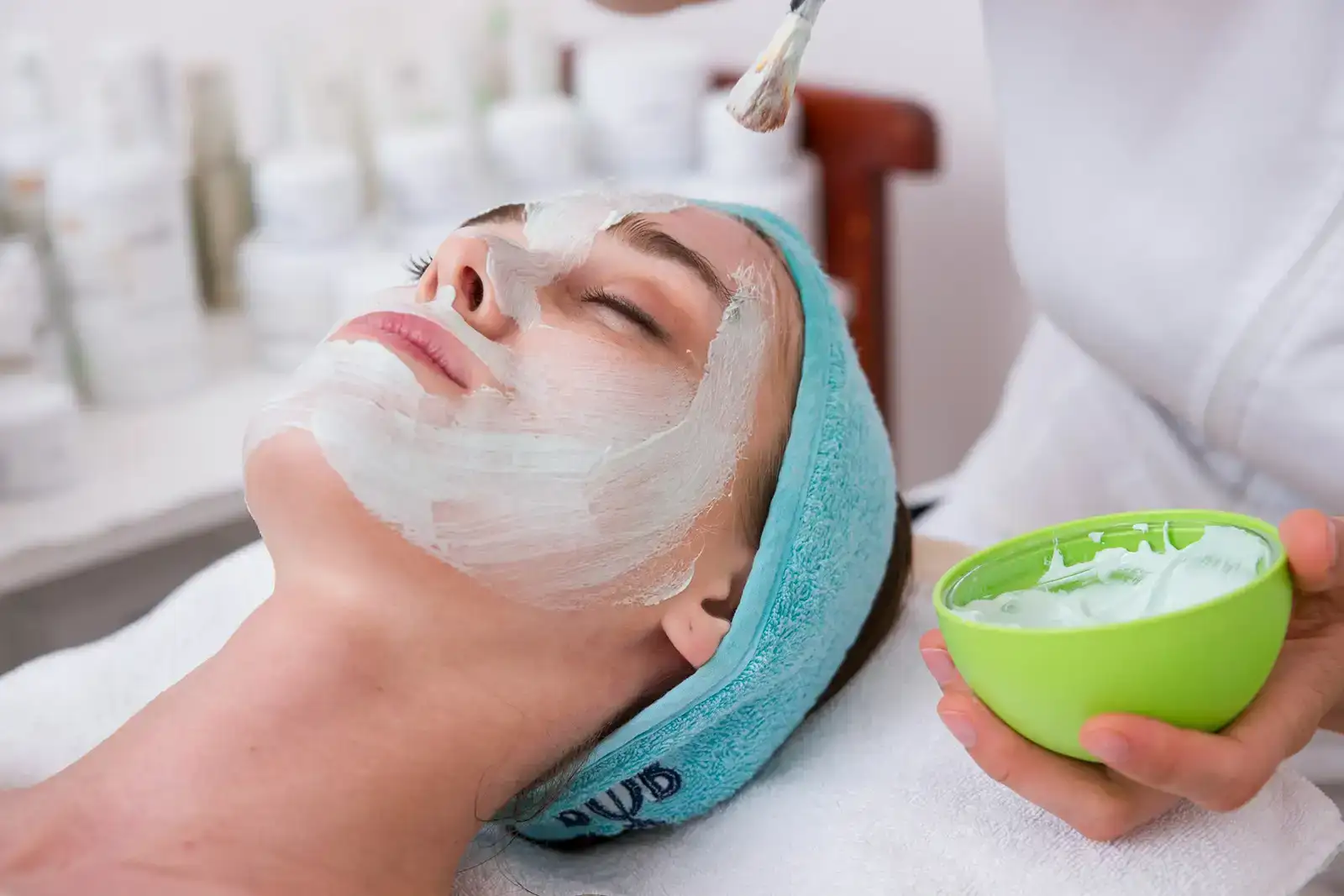
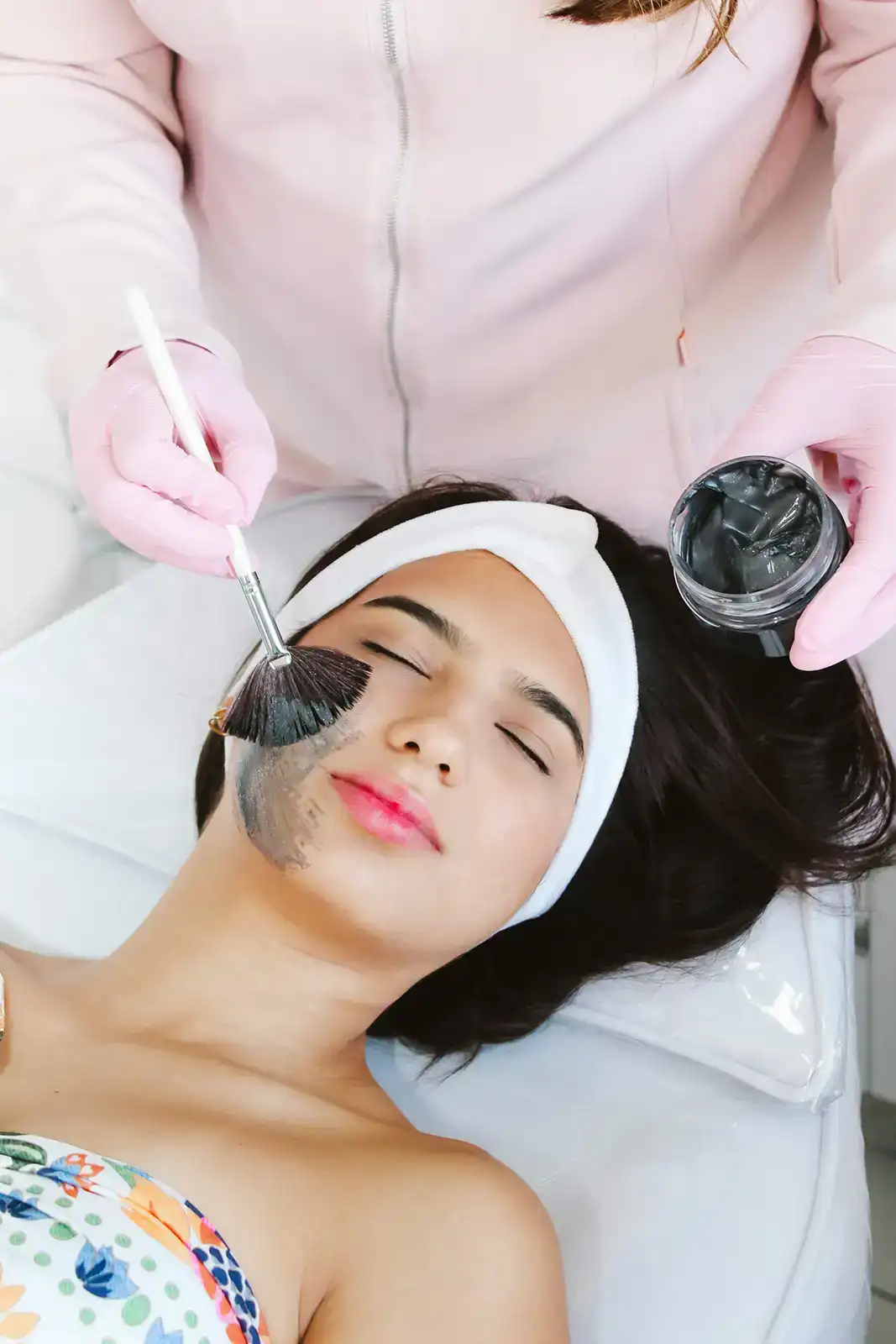
Chemical peels exfoliate the outer layer of the skin, and they are used to address texture, congestion, uneven pigmentation and fine surface lines. Those are among the visible changes people associate with cumulative sun exposure, which is why the two subjects meet.
At Enrich Aesthetics, Kirsty works primarily with lactic and salicylic acid, chosen for the concern in front of her rather than as a default. What any given peel achieves depends on your skin, the concern, the strength used and how you respond, and that is established in person rather than promised on a page.
What sits outside the scope is worth naming too. A peel works on the outer layers. Deeper structural change, broken capillaries and anything requiring a diagnosis are different questions with different answers, some of them cosmetic and some of them not.
Pigmentation, and why it is not one thing
Uneven pigmentation is the concern most often attributed to the sun, and it is genuinely more complicated than that.
Sun exposure drives some of it. Hormonal factors drive some of it. Inflammation drives some of it, which is the awkward part, because inflammation includes the kind a treatment can cause. Melasma in particular behaves differently to sun-related pigmentation and can be provoked by heat and light rather than only by exposure.
Which is why pigmentation gets assessed rather than assumed, and why the guide to pigmentation and melasma exists as a separate piece.
For skin tones that pigment readily, including Asian, Middle Eastern, African and Southern European skin, the risk of post-inflammatory pigmentation raises the stakes on getting the strength right. That means a more cautious, staged approach, assessed individually.
The part that decides whether it holds
Treating sun-affected skin without changing what happens afterwards puts you back at the start, slowly.
Skin is more sensitive to ultraviolet light after a peel, which makes the weeks following treatment the ones that matter most. Around here that is a scheduling question rather than a general recommendation. If your weekends involve the water, the peel and the boat need to be in different weeks.
Beyond the immediate recovery, sun protection is what keeps the result rather than an optional extra attached to it. Kirsty covers this as part of aftercare, specific to the strength you had, and the downtime guide sets out the recovery in more detail.
What the consultation covers
For sun-related concerns, the assessment includes:
- What has actually changed, and over what period
- Your sun exposure, historical and current, including work and recreation
- Whether anything on the skin needs medical attention before cosmetic treatment
- Skin tone and how your skin has responded to inflammation previously
- What you are using at home, including retinoids and acids that need pausing
- Whether a peel is the appropriate starting point, and what the alternatives are
- What a realistic course looks like, and what it will cost
Level 1 is $99, level 2 is $120 and level 3 is $140, each a 30 minute appointment. Level 4 is a high-potency glycolic peel requiring skincare preparation beforehand and is discussed at consultation. Most people have a series of six to eight, so the course is the figure worth working out. The chemical peels page has the detail.
About this clinic
Enrich Aesthetics is a single-practitioner, nurse-led clinic at 22 French Rd, Wangi Wangi, on the western side of Lake Macquarie.
Kirsty Neagle is a Registered Nurse (Division 1) holding general registration with the Nursing and Midwifery Board of Australia, AHPRA registration NMW0001646562, verifiable on the public AHPRA register. Her clinical background includes cardiac, vascular and plastics nursing at a Sydney teaching hospital, which is the reason a consultation here begins with what your skin has been through rather than with a treatment menu.
Appointments run 9am to 5pm Monday to Saturday, closing at 3pm on Thursdays. The clinic is appointment-only. Clients travel in from Toronto, Rathmines, Coal Point, Carey Bay, Morisset, Warners Bay, Belmont and across Newcastle.
The short version
Around the lake the exposure is cumulative, reflected and largely unnoticed, and the skin reflects the total rather than the memorable days.
A peel is directed at surface texture, uneven pigmentation and fine surface lines. It is not directed at anything that needs a diagnosis, and anything suspicious goes to a doctor first, without exception.
Skin tone changes the approach. Sun protection afterwards decides whether the result holds. And the appointment is worth planning into a week that does not involve the water.
This guide is general education. It is not medical advice, and it does not replace an in-person consultation. It is not a substitute for a skin check.