Most cosmetic clinic websites in this country are written as though only women read them. Ours was, until recently, and it was worth fixing.
Men do book cosmetic consultations. They tend to book fewer, later, and with more questions they have not been able to find answers to, because almost nothing published on the subject is addressed to them.
This guide is the answer to the question underneath all of that: does any of this actually work differently for men, and if so, how?
The honest answer is that the anatomy differs in ways that are measurable, the assessment accounts for it, and everything else is identical.
The short version
Male facial skin is thicker. It carries more collagen. It produces more oil. The muscles between the brows and across the forehead generally carry greater mass. The brow sits lower and flatter. The beard area has a denser blood supply and a very high density of hair follicles.
Every one of those is a finding an assessment records. None of them changes what a consultation is, what consent means, or your right to be told that a treatment is not suitable for you.
What is actually different
Skin thickness and collagen
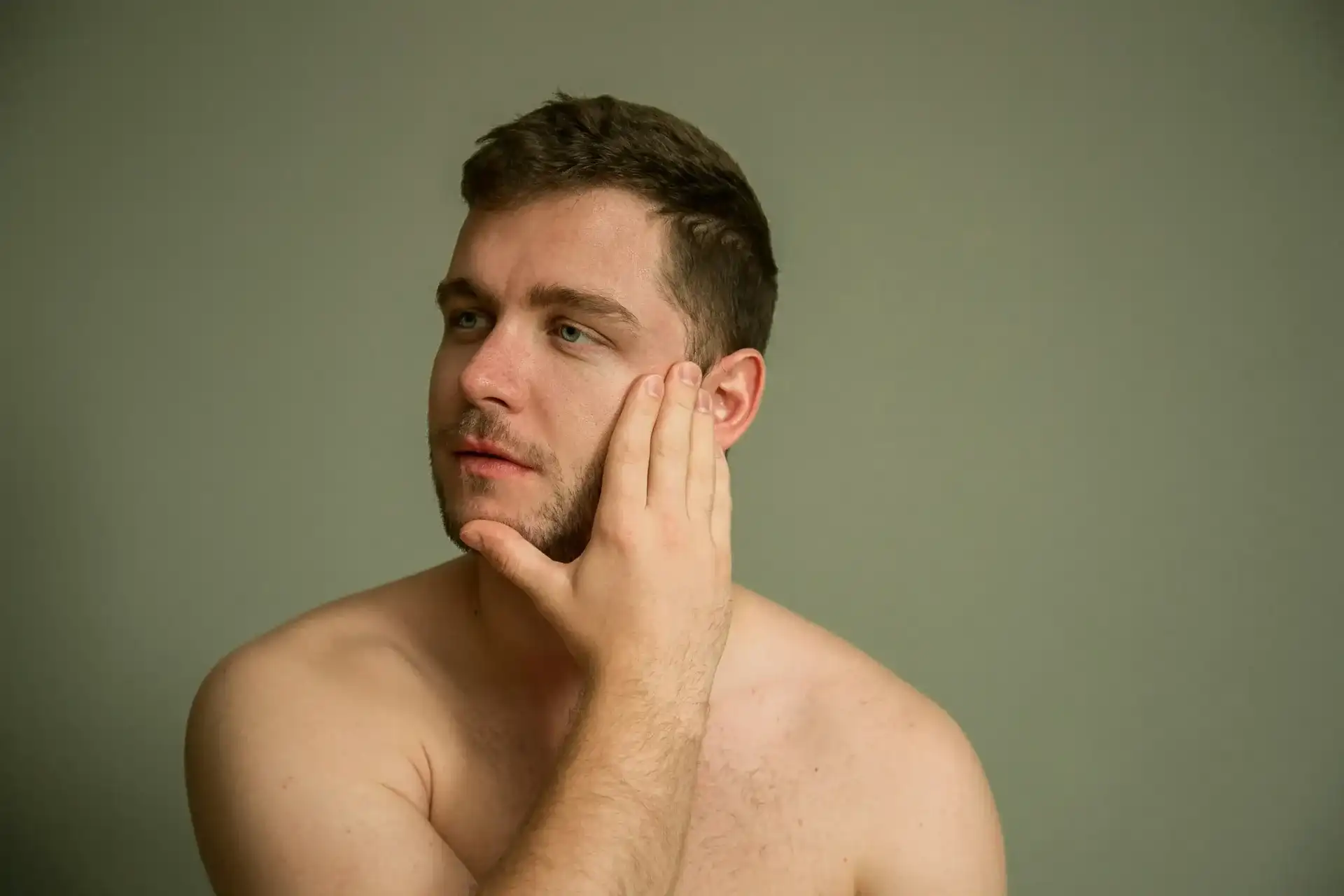
At the same age and the same site on the face, male skin is generally thicker than female skin, and carries a higher density of collagen. This is one of the better-established differences in dermatology and it is not a small one.
It has a second-order consequence that is easy to miss. Because male collagen density starts higher and declines in a steadier, more linear pattern with age, rather than showing the sharper drop associated with menopause, men and women of the same age can present with quite different skin and quite different histories behind it.
Sebaceous activity
Male facial skin has larger sebaceous glands and produces more sebum. That is relevant to congestion, to how skin behaves after resurfacing, and to what a sensible skincare routine looks like. It is also the reason a lot of generic advice written for a female audience does not land: a routine built around a drier skin type is the wrong starting point.
The beard area
The lower third of the face in men is not simply the same skin with hair on it.
It carries a high density of terminal hair follicles, each with its own blood supply, and the region is more vascular than the surrounding skin as a result. It is also subject to daily mechanical trauma from shaving, which produces its own set of concerns that have nothing to do with ageing at all.
That combination matters for anything involving a needle, and for anything that resurfaces the skin surface. It gets its own guide, because there is more to say about it than fits here.
Muscle mass in the forehead and between the brows
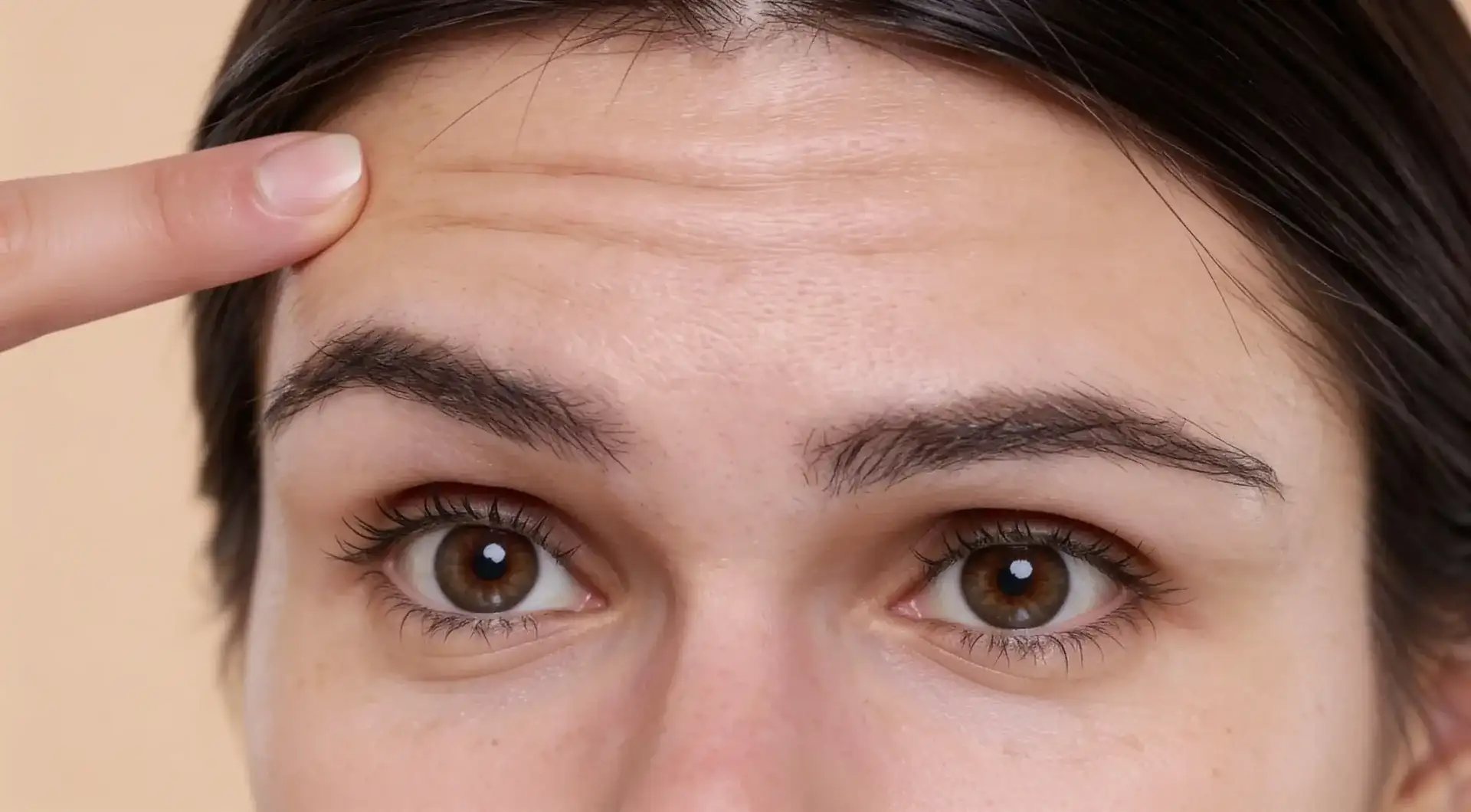
The muscles responsible for frowning and for raising the eyebrows generally carry greater mass and a larger cross-sectional area in men.
This is a finding, not a conclusion. What follows from it is a conversation that this page is not permitted to have, for reasons covered further down.
Brow position
This one is structural rather than physiological, and it is probably the difference that matters most to how a face reads.
The male brow typically sits lower and flatter, at or close to the bony ridge above the eye socket. The female brow more often sits above that ridge with a defined arch. That is a description of two different normal ranges, not a hierarchy.
The practical consequence is that anything affecting the muscles around the brow has to account for where that brow is meant to sit. Applying a set of assumptions drawn from one range to a face in the other is one of the more visible ways cosmetic work goes wrong.
Cumulative sun exposure
This is where being in the Hunter stops being incidental.
Rates of daily sun protection have historically been lower among Australian men than among Australian women, and a great deal of outdoor work, sport and boating around Newcastle and Lake Macquarie is done by people who were not applying sunscreen for the first several decades of it.
Cumulative ultraviolet exposure contributes to changes in skin texture, pigmentation and elasticity, and to lines that remain visible when the face is completely at rest. A man presenting in his fifties around here often carries a higher cumulative total than a woman of the same age, and that shows up in the assessment as skin quality rather than as movement.
The guide on how the outdoor lifestyle affects fine lines and wrinkles covers that in full, and it applies to everyone. It just tends to apply more.
What that changes in the assessment
An assessment at Enrich Aesthetics covers the same ground for every client. What differs is where the findings land.
- The face at rest and through a range of expressions, and the transition between the two
- Skin quality, texture, pigmentation and evidence of cumulative sun exposure
- The relationship between the brow, the ridge above the eye socket and the upper eyelid
- The condition of the beard area, including shaving irritation and ingrown hairs where present
- Medical and treatment history, medications and anything relevant to healing or bleeding
- What you actually want, in your own words, and whether it is achievable
The static and dynamic lines guide explains the single most useful distinction in that list, and it is worth reading before any first appointment regardless of who you are.
The anatomy sits in a different range. The assessment is the same assessment. Both of those things are true at once.
What does not change
The process. Every service at Enrich Aesthetics begins with an in-person consultation and a suitability assessment. Nothing is booked or priced over the phone or by email. A consultation does not commit you to treatment, and treatment is not always the recommended outcome.
The standards. Kirsty Neagle is a Registered Nurse (Division 1) holding general registration with the Nursing and Midwifery Board of Australia, and the same professional obligations apply to every client through the door. The guide to checking a practitioner’s registration explains how to verify that for yourself, for any clinic, in about two minutes.
The right to be told no. Where a treatment is not appropriate, the reasons are explained. That happens regardless of what you walked in wanting.
Why this page stops where it does
You may have noticed that this guide describes anatomy in detail and then declines to say what anyone would do about it.
That is not evasiveness. Treatment options for facial movement are prescription-only medicines, and Australian law prohibits advertising prescription medicines to the public. A registered health practitioner’s website cannot name them, describe them, price them, or imply what they achieve, for any audience.
On top of that, AHPRA’s guidelines for advertising higher risk non-surgical cosmetic procedures, in effect since 2 September 2025, prohibit testimonials, before-and-after imagery, language that minimises a procedure, and claims about how a treatment will make a person feel.
So there is a category of question this page genuinely cannot answer, and a clinic page that does answer it is telling you something about the clinic. Where a competitor’s page appears to contain more information than this one, that is usually the explanation.
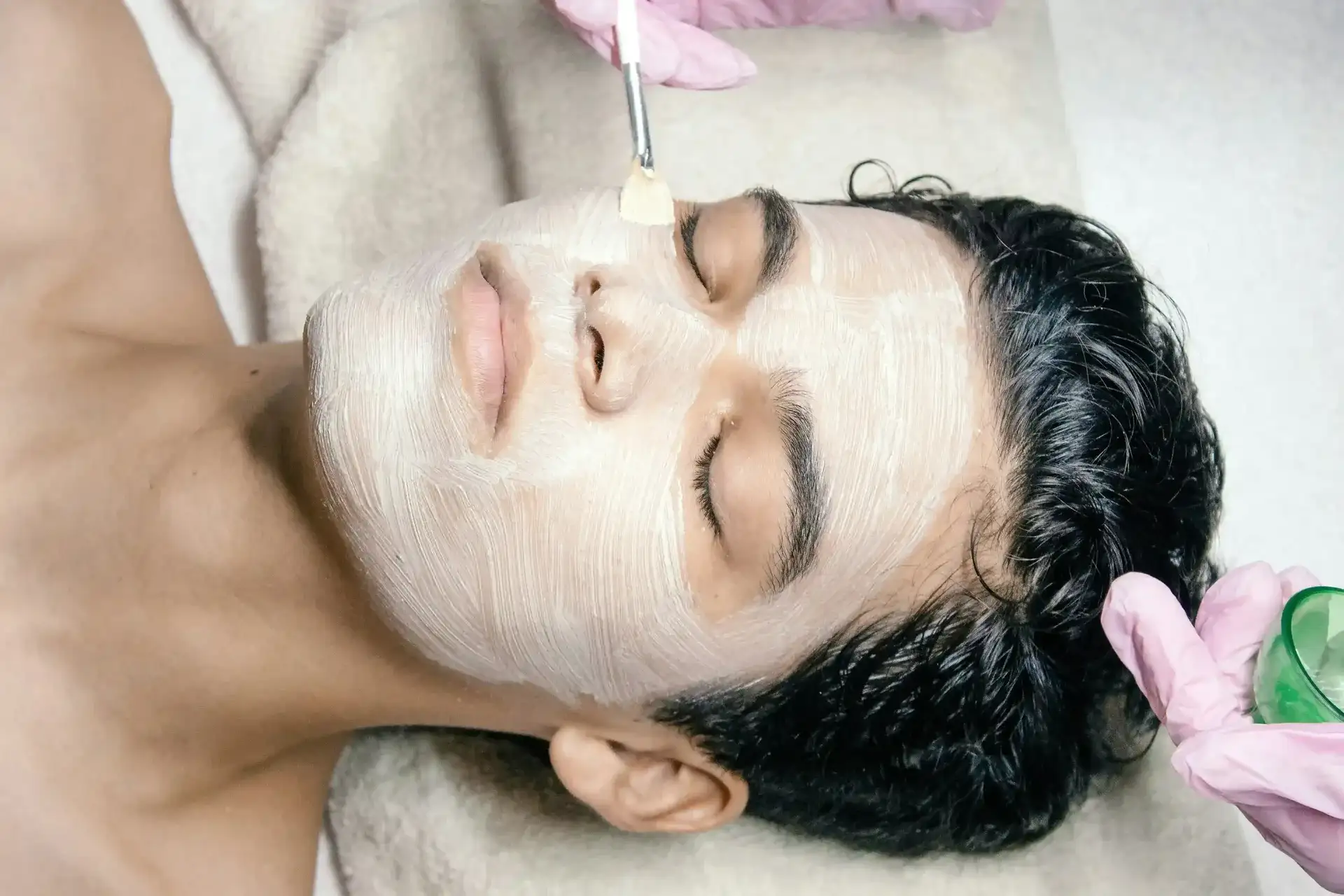
What can be discussed openly is everything that is not a prescription medicine: skin health, resurfacing, collagen support, sun protection. The skin rejuvenation guide covers those with published costs.
If you are thinking about booking
You do not need to have decided anything. A consultation is where you find out what your options are, including the option of doing nothing, and a fair number of people book one specifically to rule things out.
It helps to arrive with a sense of what you actually notice about your own face and when you notice it, rather than a treatment name you have read somewhere. The former is information. The latter is usually an answer to somebody else’s question.
Enrich Aesthetics is at 22 French Rd, Wangi Wangi, on the western shore of Lake Macquarie, roughly half an hour from most of Newcastle. Appointments are one-to-one with Kirsty, and parking details come through with your confirmation the day before.
You can book a consultation or call the clinic directly.