There is one distinction underneath almost every wrinkle consultation, and most people have never had it explained to them.
It takes about a minute to understand. Once you have it, a great deal of what you read about lines and wrinkles online becomes easier to evaluate, including whether a page is actually telling you anything.
The distinction
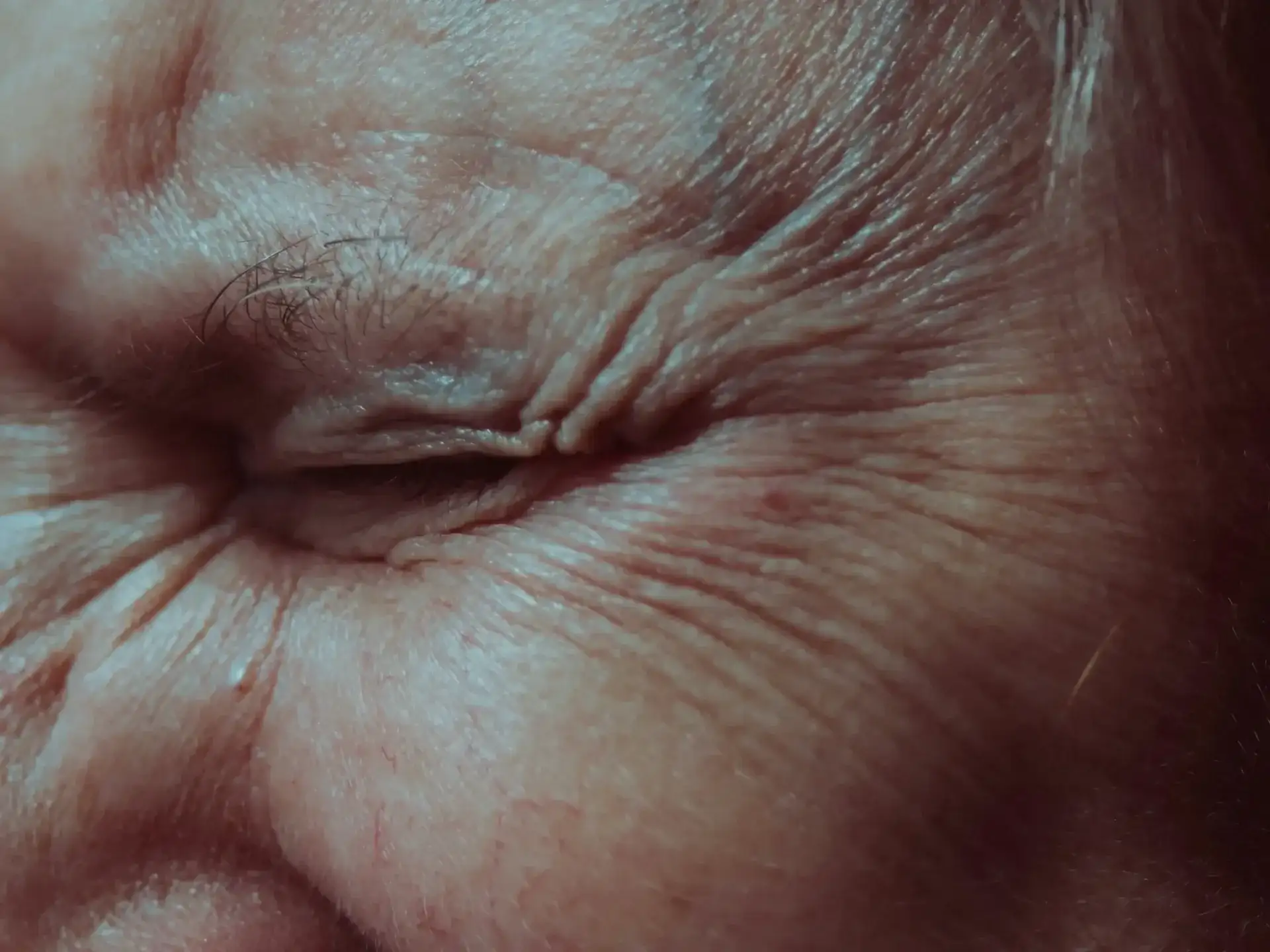
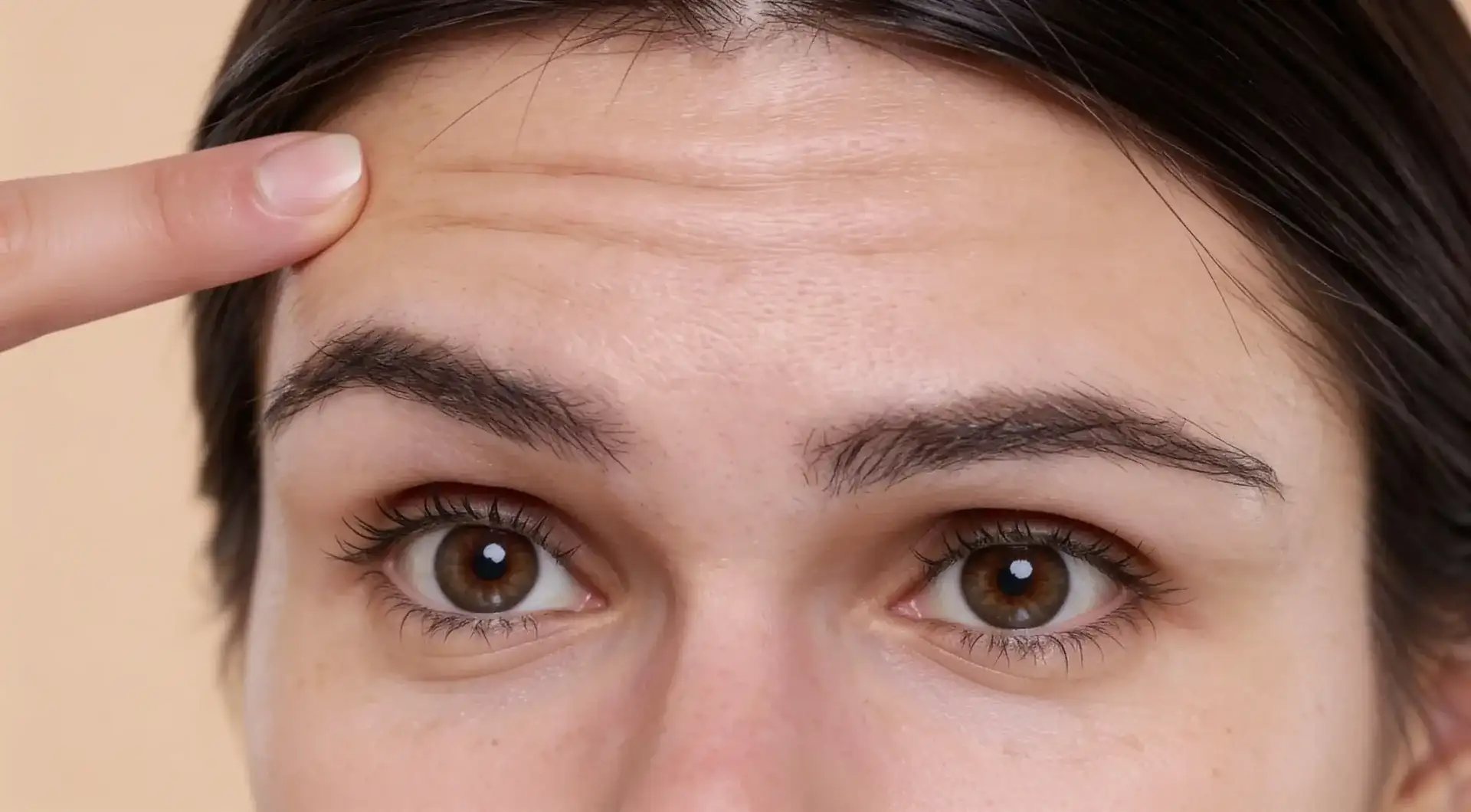
A dynamic line appears when the face moves and softens when the face relaxes. It is present during expression: frowning, smiling, raising the eyebrows, squinting.
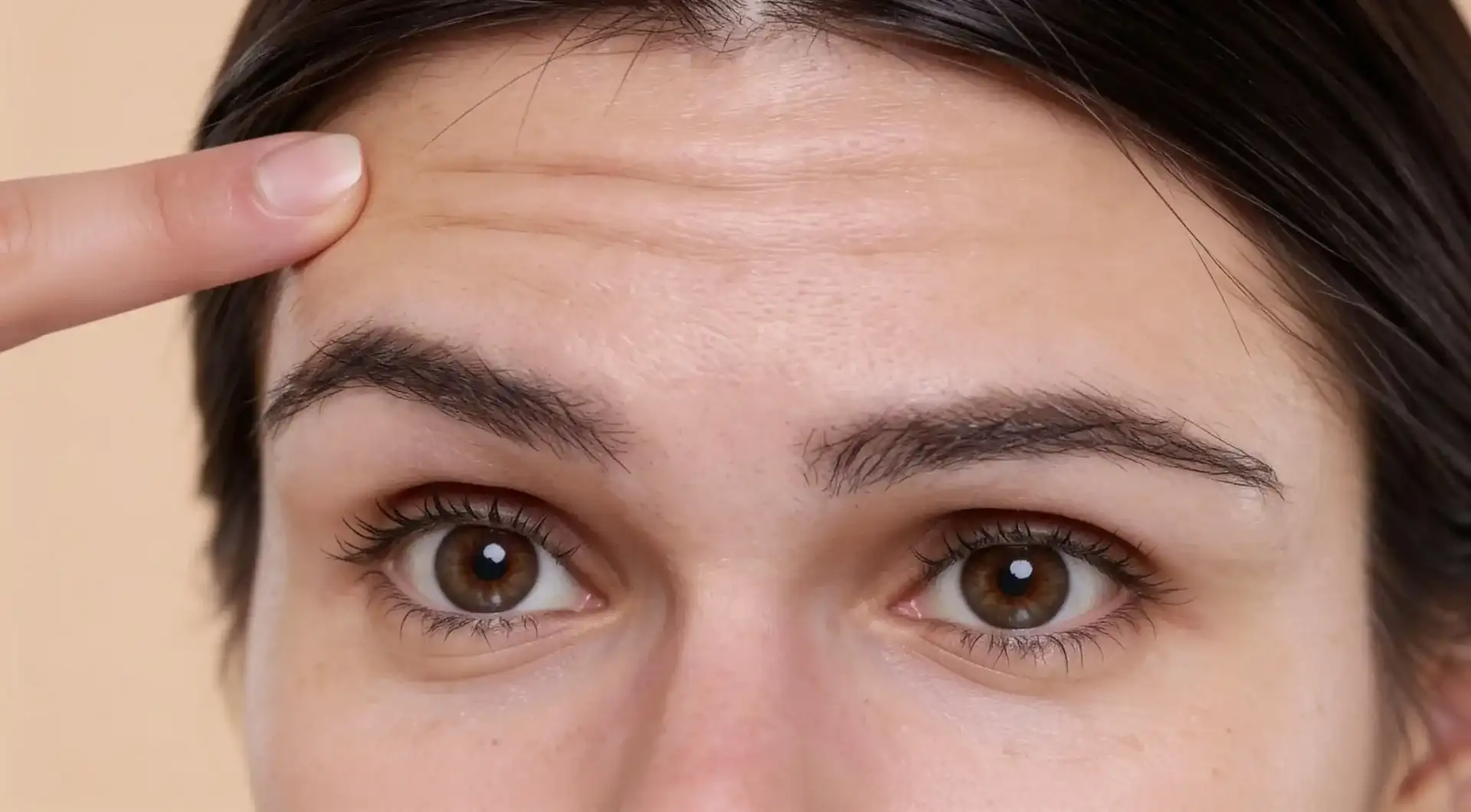
A static line is visible when the face is completely at rest. No expression, no movement, still there.
That is it. The same area of the face can carry both, and most people do.
Why it decides so much
Because the two point at different contributors.
A line that is present only on movement is telling you something about muscle activity and repeated expression. A line that persists when the face is entirely relaxed is telling you something about the skin itself: its texture, its elasticity, and what cumulative ultraviolet exposure has done to it over decades.
Those are different findings that call for different conversations. Deciding on a treatment before separating them is choosing an answer before you have established the question, and it is the single most common way people end up disappointed by an outcome that technically worked.
An assessment that looks at your face only at rest, or only in movement, has seen half of it.
Most people have both. The proportion between them is the useful finding, and it is specific to you.
How to look at your own face properly
You can make a rough attempt at home, and it is worth doing before an appointment so you arrive with better information.
Stand in good, even light. Daylight from a window is better than a bathroom downlight, which throws hard shadows that invent lines that are not there.
Let your face go completely slack. Not neutral, slack. Most people hold a small amount of expression without realising, particularly in the forehead, and that alone changes what you see.
Whatever is still visible is static. Then make the expression that produces the line you are thinking of. What appears is dynamic.
The reason this is still assessed in person is that doing it accurately is harder than it sounds, and a practitioner is looking at the transition between the two states as well as the two states themselves.
The local part
Around Lake Macquarie, the skin side of this equation carries more weight than it might elsewhere.
Cumulative ultraviolet exposure contributes to changes in skin texture, pigmentation and elasticity, and to lines that remain visible at rest. A life that involves boating, walking, weekend sport, gardening and time on the water is a life with a high cumulative total, built up quietly over decades rather than earned on any single day.
That is not a reason to change how you live here. It is a reason the assessment asks about it, because someone who has spent most weekends outdoors may present quite differently from someone who works predominantly indoors, and the same visible line may have a different balance of contributors behind it.
There is a fuller treatment of that in the guide on how the outdoor lifestyle affects fine lines and wrinkles.
What this means for the conversation
Where movement is the dominant contributor, the conversation is about facial movement, and the available options are prescription-only. Australian law prohibits advertising prescription medicines to the public, so nothing about them can be named, described or priced here. That conversation happens in person after an assessment.
Where skin quality is the dominant contributor, the conversation is a different one, and much of it can be had openly. Skin health, sun protection, resurfacing and collagen support are all discussable, nameable and priceable, and the skin rejuvenation guide covers them in full with published costs.
Where it is both, which is most people, the sequence matters and is worked out at consultation.
That asymmetry, incidentally, explains a lot about what you find online. Pages about skin quality can say much more than pages about movement, not because the treatments differ in importance but because the law treats medicines and everything else differently.
What an assessment covers
At Enrich Aesthetics:
- The face at rest, and through a range of expressions
- The transition between the two, not just the endpoints
- Skin quality, texture and elasticity in the area concerned
- Symmetry, and how areas of the face interact
- Lifestyle, including sun exposure and skincare habits
- Medical history, current medications, allergies and previous treatments
- What you have noticed, when, and what you would like to change
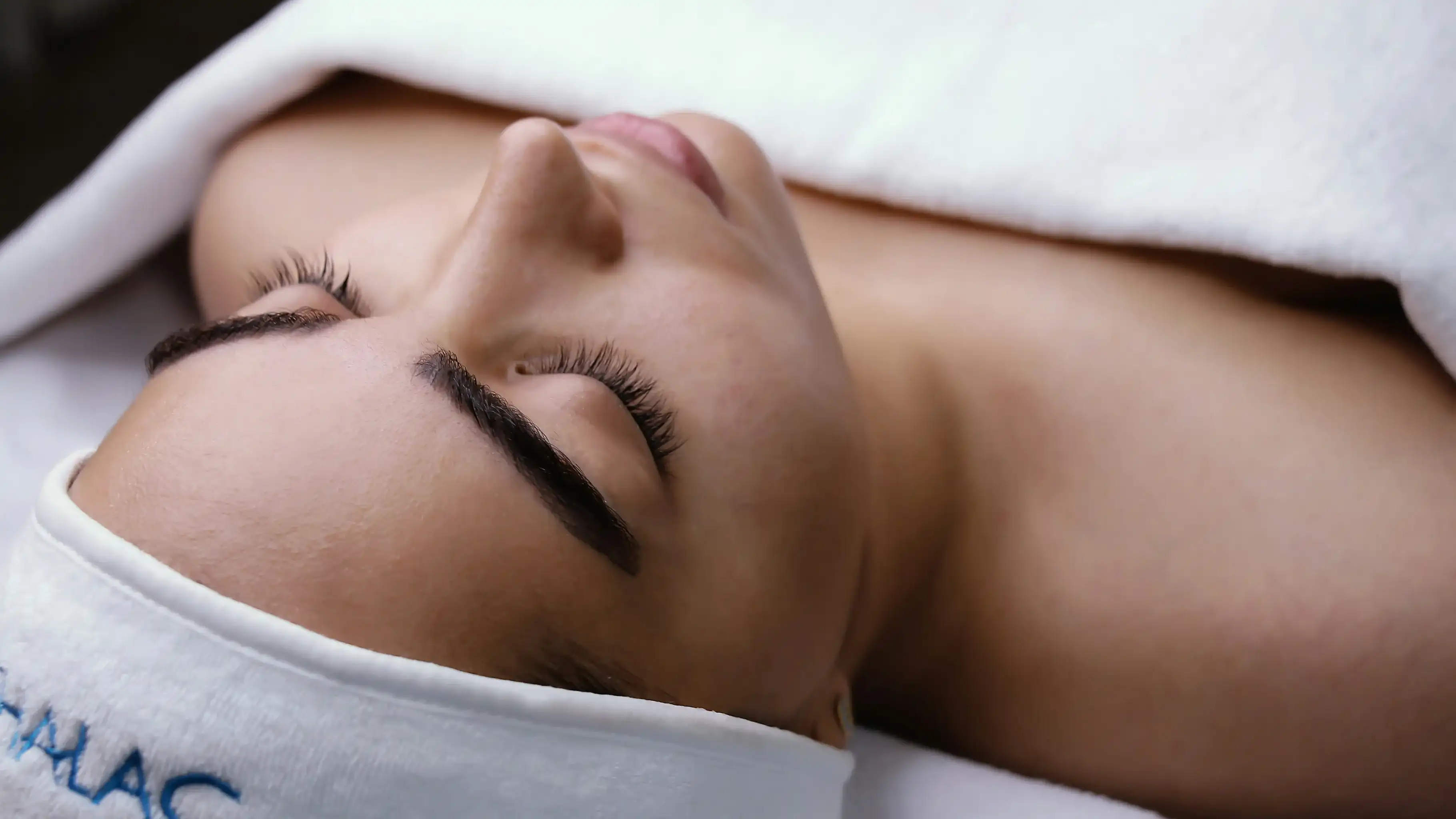
The assessment happens in person and in more than one lighting condition, because lighting is the reason most people misjudge their own face.
Questions worth asking
- Which of mine are static and which are dynamic?
- What proportion of what I have noticed is skin quality rather than movement?
- What would you expect to change, and what would stay the same?
- What are the alternatives, including doing nothing for now?
- What would make you tell me this is not appropriate?
- How and when would we review it?
The first question is the one to lead with, and a practitioner who answers it specifically about your face has demonstrated more than any amount of general reassurance.
Practical details
Enrich Aesthetics is a nurse-led clinic at 22 French Rd, Wangi Wangi, on the western side of Lake Macquarie. Clients travel in from Toronto, Rathmines, Coal Point, Carey Bay, Bonnells Bay, Morisset, Warners Bay, Speers Point, Belmont and Newcastle.
Kirsty Neagle is a Registered Nurse (Division 1), general registration with the Nursing and Midwifery Board of Australia, first registered in 2001, AHPRA registration NMW0001646562, verifiable on the public AHPRA register.
Appointments run 9am to 5pm Monday to Saturday, closing at 3pm on Thursdays. The clinic is appointment-only rather than a walk-in space. Parking is in the driveway at the front or on the street, with details sent through the day before. Website enquiries are answered within 24 hours.
The short version
Relax your face completely. What is still there is static. What appears when you move is dynamic.
Knowing which you have, and in what proportion, is the difference between a consultation that assesses you and an appointment that sells you something. It is also the fastest way to tell whether a page you are reading about wrinkles is explaining anything at all.
This guide is general education. It is not medical advice, and it does not replace an in-person consultation.