The version of this question people usually ask is about age. Am I too young for this, am I too old, is forty-something the right time.
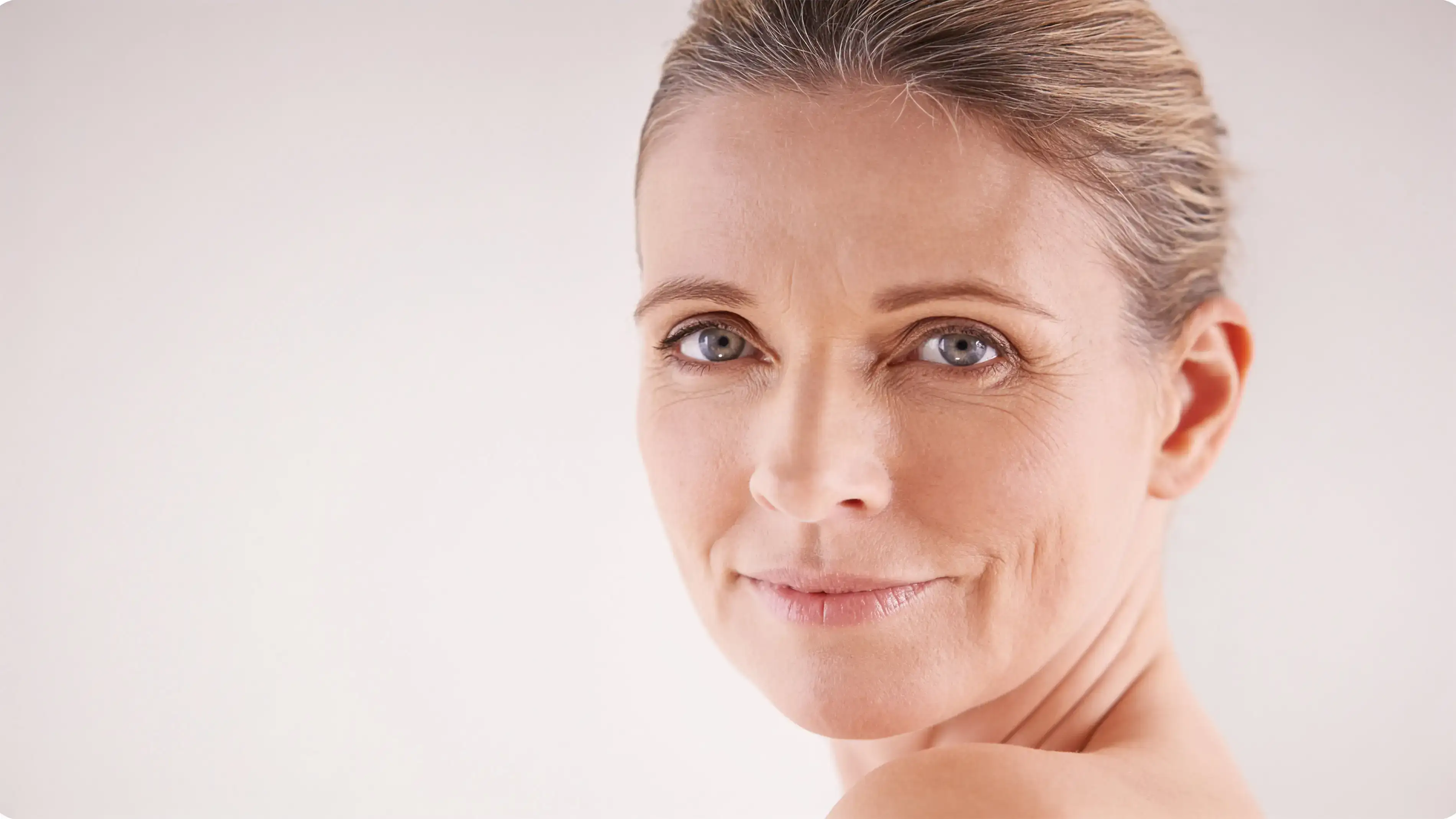
Age is close to the least useful thing in the assessment. Two people the same age can present with entirely different skin quality, elasticity and pattern of change, and the treatment responds to those rather than to a birth year.
Here is what is actually being weighed up.
Who the treatment tends to suit
Bio-stimulators generally suit adults noticing early collagen and elastin loss, or looking for an alternative to a surgical thread lift.
The word doing the work in that sentence is early. This is a category built on prompting your skin to produce collagen, so it asks something of your skin. Where there is reasonable skin quality and the change is at an earlier stage, there is more for the mechanism to work with.
That is not a rule with a cut-off attached. It is the direction of the reasoning, and where an individual sits on it is a matter for an in-person look.
What is being assessed
Skin quality and elasticity through the area. The single most informative thing in the assessment, and the reason it cannot be done from a photograph.
What has actually changed, and how. Whether the concern is collagen and elastin loss, structural volume change, tissue position or a combination. Those are different problems, and the guide comparing bio-stimulators with volumising treatments covers how the decision between categories is made.
The area itself. Most commonly the lower face, jawline and neck, and areas including the brow, cheek and nasolabial folds. Not every area suits every concern.
Your medical history. Current medications, allergies, conditions affecting healing, and previous cosmetic treatments. This matters more here than in some other treatments, because the entire mechanism depends on your own healing and collagen response.
Your expectations. Covered properly below, because it is the reason most often given when the answer is no.
Timing. Changes are typically noticeable from around 6 weeks with continued change reported for up to 6 months, so a treatment aimed at an event in a month is aimed at the wrong month.
Expectations are part of suitability, not a soft factor
This is worth stating directly, because it is where most declined consultations land.
Someone can be an entirely reasonable candidate on skin quality, area and medical history, and still not be a good candidate for the treatment they have arrived asking for, because what they want is not what the category does.
The most common version of that is the facelift comparison. A bio-stimulator is not a surgical procedure and is not a substitute for one. Where the concern is advanced structural change, a treatment working through collagen response is unlikely to answer it, and a clinic that takes the booking anyway has sold something rather than assessed something. There is a separate guide on what non-surgical treatments do and do not do.
The second version is the timeline. Someone expecting a change they can see next week is expecting a different category of treatment.
Unrealistic expectations of what threads alone can achieve is a stated reason for declining the treatment, not a communication problem to be worked around.
Clear reasons the answer is no
- Pregnancy or breastfeeding. Threads are not recommended in either case
- Active infection or broken skin in the treatment area
- Medical conditions or medications that affect healing, assessed individually rather than as a list
- A concern the category does not address, including advanced structural change
- Expectations that do not match the treatment
None of those are permanent judgements about you. Several are about timing, and the answer at a different point may be different.
What happens if you are suitable
The sequence does not change: consultation, medical and treatment history, clinical assessment, discussion of options and their limitations, informed consent, and only then treatment where it is considered appropriate.
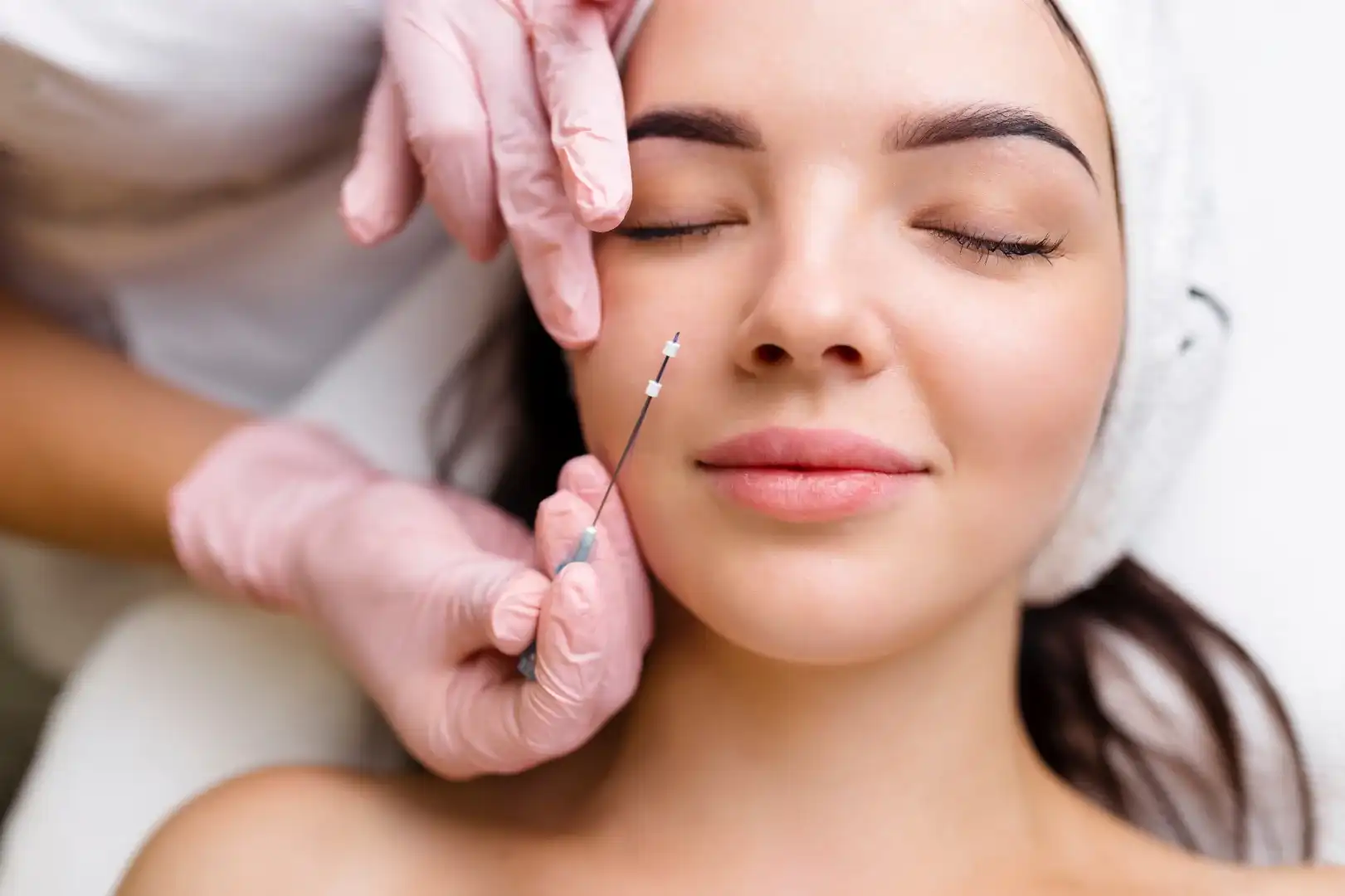
A single session runs 30 to 60 minutes depending on the area. Your first visit is a consultation, and treatment is a separate appointment unless Kirsty confirms on the day that proceeding is appropriate.
Bruising and swelling at the treatment site are common and temporary, which is one reason appointments are not scheduled the day before something that matters. As with any injection-based treatment, there is a small risk of redness, itching or infection, covered as part of the consent process.
Threads start from $500, and the final figure is quoted after assessment because it depends on how many are indicated and where. Nothing is booked or charged before you have been assessed in person. The bio-stimulators page has the full detail, and how threads work under the skin covers the mechanism.
Questions worth bringing
- What did you find in my skin that makes this appropriate, or not?
- Which areas are you proposing, and why those?
- What would you expect to change, and what would stay the same?
- What is the total cost for what you are recommending?
- What would make you say this is not appropriate for me?
- What are the alternatives, including waiting?
- When and how would we review it?
A practitioner who answers those clearly has told you more than any amount of reading.
About this clinic
Enrich Aesthetics is a single-practitioner, nurse-led clinic at 22 French Rd, Wangi Wangi, on the western side of Lake Macquarie. The nurse who assesses you is the nurse who treats you and the nurse who reviews you.
Kirsty Neagle is a Registered Nurse (Division 1) holding general registration with the Nursing and Midwifery Board of Australia, AHPRA registration NMW0001646562, verifiable on the public AHPRA register. She holds a Bachelor of Nursing and a Graduate Certificate in Theatre Nursing.
Appointments run 9am to 5pm Monday to Saturday, closing at 3pm on Thursdays. The clinic is appointment-only. Clients travel in from Toronto, Rathmines, Coal Point, Buttaba, Bonnells Bay, Morisset, Warners Bay, Belmont and across Newcastle.
The short version
Skin quality and elasticity matter more than age. The category is generally directed at earlier collagen and elastin loss rather than at advanced structural change. Medical history matters because the treatment depends on your own healing.
And expectations are part of suitability. If what you want is not what threads do, the useful outcome of the consultation is being told so.
From $500, quoted after an in-person assessment, and not recommended during pregnancy or breastfeeding.
This guide is general education. It is not medical advice, and it does not replace an in-person consultation.